Looking for a compact, no-drama power backup for camping, photography, or the occasional blackout? Dude — you’re in the right place. I ran the spec sheets, skimmed the hands-on reviews, and boiled it down into a practical review of the Jackery Portable Power Station (Explorer series) so you can decide if this is the little battery box your life needs. Below you’ll find a straightforward breakdown across five clear sections: what it is, how it’s built, how long it lasts and charges, where it shines, and the final buy-or-skip verdict.
Disclosure: This post contains Amazon affiliate links. As an Amazon Associate I earn from qualifying purchases.

What it is — quick overview & key specs
Think of the Jackery Explorer line as “portable power for normal humans.” These are compact battery stations that deliver AC power (the kind your blender or laptop uses), 12V car-port output, and USB ports — all without noise, fumes, or gas. Popular entry-level models in the line sit around 240–300 Wh of capacity and weigh roughly 6–7 lbs, making them easy to sling into a trunk or backpack. They’re designed for charging phones, running small appliances, powering cameras, and serving as emergency backup during outages.
Important specs to scan for when you shop: rated wattage (continuous output), peak surge wattage (can your microwave or mini-fridge start up?), battery capacity in watt-hours (Wh), the port mix (AC, USB-C, USB-A, car port), and charging options (AC adapter, car, solar). Jackery’s official pages and manual list these clearly for each Explorer model.
Design, ports, and build — what you’ll actually touch
Jackery keeps the aesthetic simple: boxy, orange-accented, and built with a molded handle so you don’t drop it on the way to the campsite. Entry-level Explorers typically include:
-
1 AC outlet (pure sine wave inverter),
-
2 USB-A ports,
-
1 USB-C or PD option on some newer models,
-
1 DC car port,
-
an LCD showing remaining percentage and input/output watts.
That port mix makes the unit flexible — you can charge phones, run a laptop, or power small camera gear simultaneously. The physical footprint is small enough to sit on a car seat or in a hallway closet, and the units are marketed as low-maintenance and quiet. Exact port counts and layout vary by model, so always check the specific Explorer (240 vs 300 vs 500) before buying
Performance — run-times, charging speed, and real-world use
Here’s where the numbers meet reality. A ~240 Wh battery will:
-
charge a smartphone many times over (often 10+ charges depending on the phone),
-
run a laptop for several hours,
-
keep a small camera setup or LED light running for extended shoots,
-
run a mini-fridge or small CPAP for a short period (check wattage!).
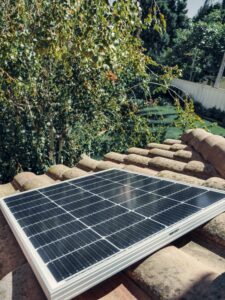
Jackery’s specs and user tests put the Explorer 240/300 in the “weekend-camping / emergency backup for essentials” range — not a whole-house generator. Charging time from the wall is typically several hours (Jackery lists similar 5–6 hour AC charge times for smaller models), while adding solar panels will extend the time depending on sun and panel wattage. Recent Jackery variants have improved charging throughput, and newer models support faster charging via USB-C or optimized AC in.
Real-world tip: add up the wattage of the devices you plan to run and compare that to the station’s continuous output. If your coffee maker draws 800 W, the small Explorer won’t run it — but it will happily keep your phone, camera, laptop, and lights going during a power blip.
Who this is best for — use cases & where it shines
Alright, who actually benefits from a Jackery Explorer?
-
Weekend campers & car campers: light, portable, and roomy enough to charge cameras, phones, lights, and a small cooler.
-
Photographers & content creators on location: quiet power for lights and laptops without running a noisy generator.
-
Emergency backup for essentials: keep phones charged, run a router, or power medical devices that fall within the unit’s watt limits.
-
Road-trippers & tailgaters: easy to recharge from the car or add solar panels if you want prolonged off-grid time.
What it’s not great for: heavy appliances, full-size fridges long-term, power tools, or anything that regularly needs hundreds of watts continuously — unless you step up to Jackery’s larger Explorer models (500Wh+) or pair multiple units

Pros, cons, and final verdict
Let’s end with the fast-buy checklist and the verdict.
Pros
-
Portable and user-friendly — grab-and-go form factor.
-
Quiet & odorless — great for indoor use and campsites.
-
Versatile ports — AC + USB + car port covers most small-dev needs.
Cons
-
Limited capacity at entry-level — the 240–300 Wh units are handy but not a solar-powered house. Check run-time math before you buy.
-
Charging time varies — wall charging is fine, solar depends on panel wattage and weather.
-
Model confusion — Jackery releases several similar Explorers (240, 300, 500, v2 revisions), so verify exact specs when buying.
Final verdict: if you want a dependable, portable battery to keep your phone, laptop, camera, and a few small devices powered while camping or during brief outages, the Jackery Explorer series is one of the most straightforward, well-documented options on the market. For heavier needs, step up to a larger Explorer model or consider LiFePO₄ chemistry models for longer lifespan.
Disclosure: This post contains Amazon affiliate links. As an Amazon Associate I earn from qualifying purchases.